UmiCS
Robotic Cardiac Surgery
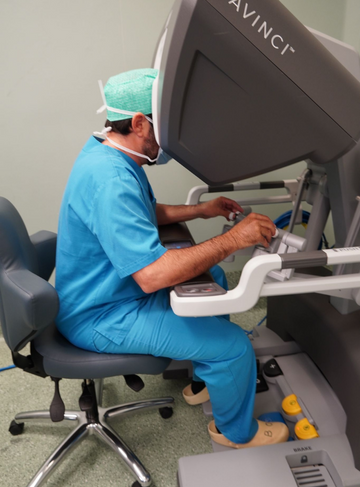
Robotic Cardiac Surgery is a minimally invasive technique that uses a surgical robot controlled by a surgeon to perform complex cardiac procedures.

Book an Appointment
For any clarification, you can contact our Customer Service at 911 501 808.


AORTIC VALVE REPLACEMENT
Mini sternotomy aims to replace and/or repair the aortic valve. This procedure is performed through a small incision to treat aortic sternosis (malfunctioning of the aortic valve).
Description of the procedure
Aortic Valve Replacement - what is it?
Aortic valve replacement is performed with extracorporeal circulation and general anesthesia in an operating room. The procedure consists of replacing the aortic valve with a prosthesis, either mechanical or biological, the choice depending on the patient.
Aortic valve replacement - mechanical or biological.
Mechanical prostheses are fitted to younger patients with a life expectancy of more than 25 years and require anticoagulant therapy for the rest of their lives.
Biological prostheses have the great advantage of not needing anticoagulation, but have an approximate lifespan of 20 years. However, there are alternative methods for aortic valve replacement of a biological valve in the event of early degeneration.
Mechanical valves vs. biological valves:
The life expectancy of the world's population has increased in recent decades. This growth is due to better nutrition, access to health care and prevention through vaccines and the research and development of drugs that prevent the progression of diseases that used to be fatal. While previously valve diseases were mainly caused by rheumatic diseases, today we see that degeneration is the predominant reason and is an inherent consequence of the population's ageing process.
Surgery to replace defective valves has also evolved. Currently, mitral and aortic valves are replaced using minimally invasive procedures, made through incisions of just a few centimetres, which provide a quick recovery, reduce the possibility of complications and minimize the risk of bleeding and infection.
There are two types of heart valves used in replacement surgeries:
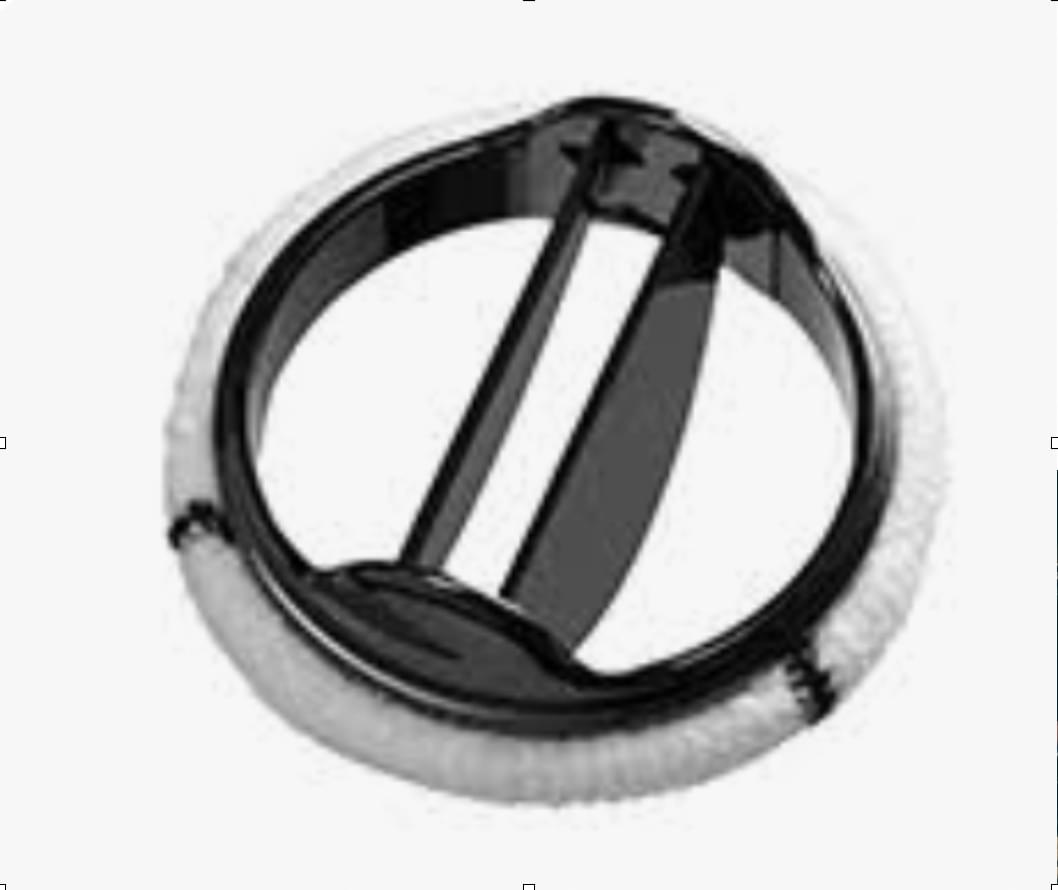
Mechanical: Made of titanium or carbon.
Biological: Made from human tissue, bovine pericardium, porcine and equine tissue.
The choice of which type of valve to use is based on medical criteria, the particularities of the patient's condition and guidelines based on statistical and scientific studies by major specialized medical associations, such as the European Society of Cardiology and the American College of Cardiology. Even so, this issue is still the subject of controversy between doctors and patients.
According to the European Society of Cardiology, age, life expectancy and type of valve will determine the choice between biological and mechanical. The Society advocates the adoption of the following guidelines:
Use of mechanical valves:
1. Aortic valve replacement: Young patients and adults up to the age of 60.
2. Mitral valve replacement: Young patients and adults up to the age of 65.
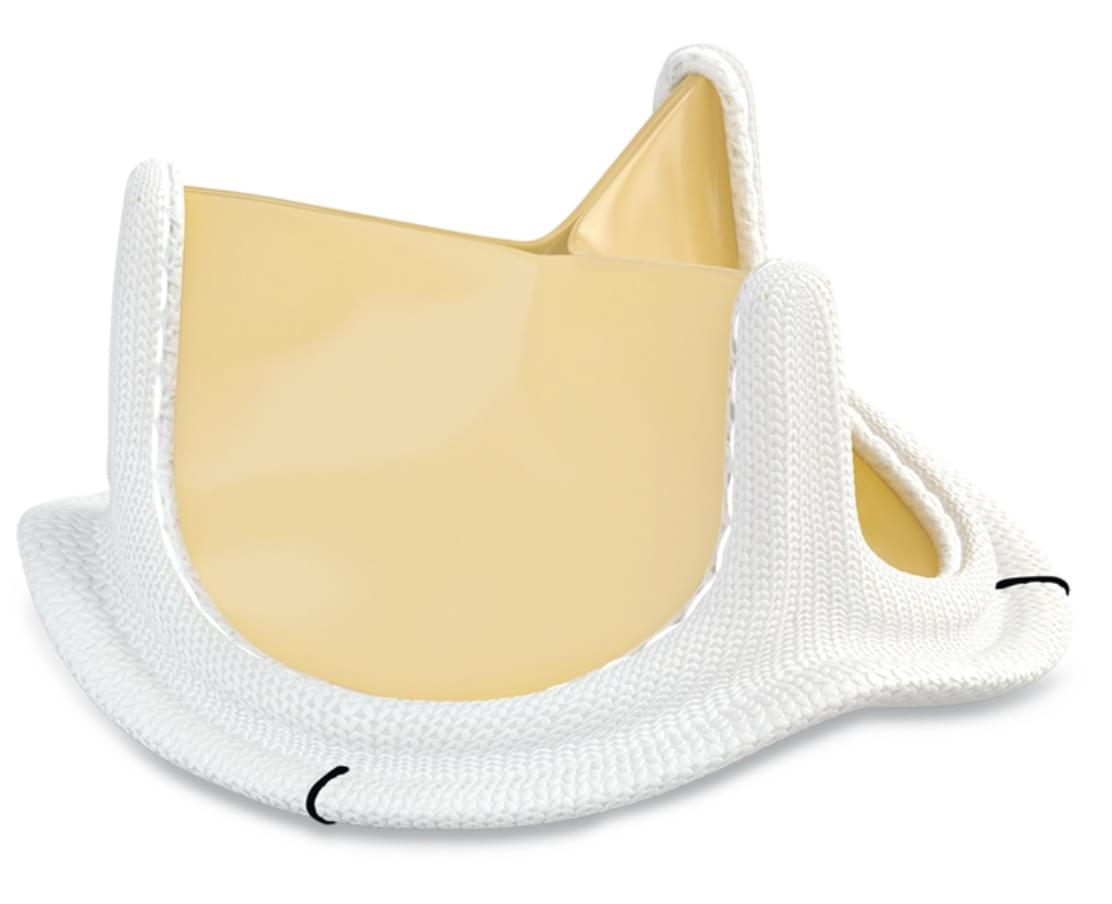
Use of biological valves:
1. Aortic valve replacement: Patients aged 61 or over
2. Mitral valve replacement: Patients aged 66 or over
These indications take into account the peculiarities of the valve types and concomitant treatments. Each type of valve has advantages and disadvantages:
Advantages of mechanical valves: They are more durable and do not require a second operation for replacement.
Disadvantages: You need to take anticoagulants all your life and have regular blood tests to monitor the level of coagulation.
Advantages of biological valves: You don't need to use any accessory medication.
Disadvantages: Decreased durability and the possibility of a second replacement surgery after 15 - 20 years of use.
Just as surgical techniques have evolved, the design, technique and materials of mechanical valves have also advanced. Advances in research into new materials and synthetic fabrics could also revolutionize the production of prostheses. The important thing is to follow your doctor's guidelines for aortic valve replacement and thus have a better quality of life.
The duration of aortic valve replacement surgery is usually 100 minutes. Patients are discharged after 4 to 6 days in hospital.
They are expected to return to work after 3 weeks of rest. Moderate physical activity, on the other hand, can take place 1 month after surgery, in a regular situation and without any extraordinary occurrences.
Duration
> 100 min
Anesthesia
> general
Hospitalization
> 4-6 days
Medical leave
> 3 weeks
Recovery
> 2-3 weeks
Inhibition of physical activity
> 1 month
Learn more
about this
procedure
Make an appointment to clarify any doubts or call us through our contacts