UmiCS
Robotic Cardiac Surgery
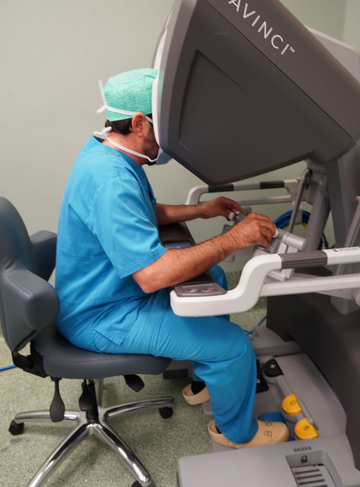
Robotic Cardiac Surgery is a minimally invasive technique that uses a surgical robot controlled by a surgeon to perform complex cardiac procedures.
Book an Appointment
For any clarification, you can contact our Customer Service at 911 501 808.

What is atrial fibrillation?
Atrial fibrillation is a cardiac arrhythmia characterized by irregular and accelerated heartbeats. This occurs because the electrical impulses that regulate the heartbeat are generated excessively or irregularly. Atrial fibrillation can be asymptomatic in some cases, but in other cases it can cause serious symptoms.
Frequently asked questions about atrial fibrillation
What causes atrial fibrillation?
Atrial fibrillation can be caused by a variety of factors, including heart disease, high blood pressure, diabetes, sleep apnea, smoking, alcohol abuse and other medical conditions.
How to detect atrial fibrillation?
Atrial fibrillation can be diagnosed using an electrocardiogram (ECG), event monitor or Holter monitoring.
What is a heart ablation?
Cardiac ablation is a minimally invasive procedure to treat atrial fibrillation. In this procedure, a catheter is inserted into the vein in the leg and guided to the heart, where it is used to destroy the areas of the heart that are causing atrial fibrillation.
When do I need a pacemaker?
A pacemaker may be necessary when the heart can't beat regularly and the arrhythmia doesn't respond to drug treatment. The pacemaker helps to regulate the heartbeat and may be a treatment option for some patients.
What to do to control arrhythmia?
In addition to medical treatment, there are some things that patients with atrial fibrillation can do to control the arrhythmia, including avoiding excessive alcohol consumption, exercising regularly and maintaining a healthy diet.
When to worry about palpitations?
Palpitations are common and are not always a sign of a heart problem. However, it is important to see a doctor if palpitations are frequent, last longer than a few seconds or are accompanied by other symptoms such as chest pain or shortness of breath.
What are the consequences of cardiac arrhythmia?
Atrial fibrillation can lead to serious complications, including stroke and heart failure. It is important that these patients receive appropriate treatment and monitor their condition regularly.
Symptoms
The symptoms of atrial fibrillation can vary from person to person, but include palpitations, shortness of breath, fatigue, dizziness and chest pain. If left untreated, it can lead to serious complications such as stroke and heart failure.
Treatments
here are several treatments available, depending on the severity of the condition and the individual needs of each patient. At UMICS, we offer two types of treatment for atrial fibrillation: endoscopic treatment and percutaneous treatment. You can find more information about each at the links below.
Endoscopic treatment of atrial fibrillation or hybrid ablation is a minimally invasive surgery that is recommended for patients who have frequent episodes of arrhythmia, where conventional ablation and the use of medication are not effective in controlling or stopping these occurrences. The procedure involves inserting a small catheter through the groin, which is guided to the heart, where the arrhythmia is identified and treated.
Percutaneous ablation, on the other hand, is a procedure that is carried out in hemodynamics centers, where there is advanced imaging equipment and other equipment that allows blood pressure, temperature and heartbeat to be monitored. It is indicated for patients with moderate to severe atrial fibrillation and involves the application of radio waves or lasers to destroy the heart cells that are causing the arrhythmia.
If you suffer from atrial fibrillation, it's important to make lifestyle changes to control the condition, including avoiding alcohol and caffeine consumption, maintaining a healthy diet, practicing regular physical activity and reducing stress.
In some cases, it may be necessary to fit a pacemaker or implant a defibrillator to control the arrhythmia. It is essential to consult a cardiologist if you have frequent palpitations or shortness of breath.
At UMICS, we offer advanced treatments for atrial fibrillation, including hybrid ablation and percutaneous ablation. Our team is led by cardiothoracic surgeon Dr. Javier Gallego, who has extensive experience in cardiac and thoracic surgery. Contact us to schedule an appointment and find out more about how we can help treat your atrial fibrillation.
Procedures
Endoscopic treatment of atrial fibrillation
Endoscopic treatment of atrial fibrillation or Hybrid Ablation is a surgical procedure for the treatment of severe atrial fibrillation. It is recommended for patients who have frequent episodes of arrhythmia where conventional ablation and the use of medication are not effective in controlling or stopping these occurrences.
Percutaneous treatment of atrial fibrillation
Cardiac ablation is performed in hemodynamics centers, where there is advanced imaging equipment and other equipment that allows blood pressure, temperature and heartbeat to be monitored.