UmiCS
Robotic Cardiac Surgery
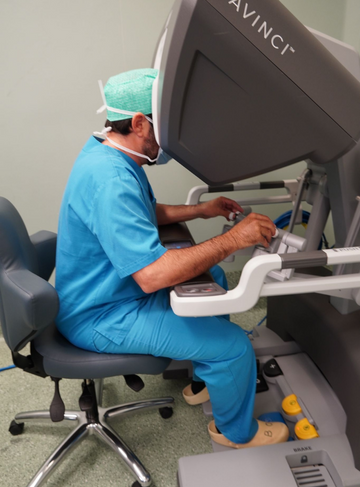
Robotic Cardiac Surgery is a minimally invasive technique that uses a surgical robot controlled by a surgeon to perform complex cardiac procedures.
Book an Appointment
For any clarification, you can contact our Customer Service at 911 501 808.

What is acute myocardial infarction?
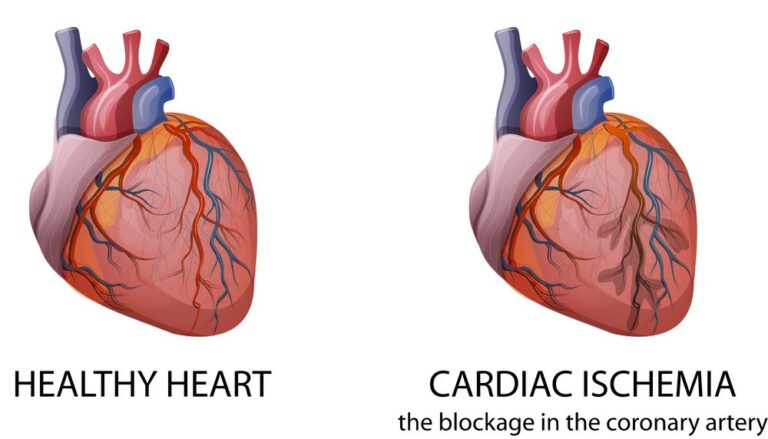
Acute Myocardial Infarction or Coronary Artery Disease, known as a “heart attack”, occurs when there is a decrease or interruption in blood flow to the coronary arteries and is one of the main causes of death in developed countries. The obstructions or ischemia that occur in the coronary arteries are usually caused by the formation of atherosclerotic plaques which contain cholesterol and other substances in their composition.
Shaped like the roots of a tree, the coronary arteries are the largest vessels in the heart and branch off from the aorta. Their main function is to carry blood, rich in oxygen and nutrients, to the myocardium, which is the heart muscle capable of contracting and relaxing, making the heart beat.
What can cause a heart attack?
The main risk factors for acute myocardial infarction are increased cholesterol, which is directly associated with high-fat diets, smoking, diabetes and obesity, and the risk increases with age. Coronary heart disease develops silently and when it becomes noticeable, the risk of a heart attack is usually high.
How is myocardial infarction treated?
Mild obstructions are treated with medication and dietary changes to lower cholesterol. Major obstructions are those that compromise 70% of the blood flow at a certain point or points in the coronary arteries. Obstructions that block more than 80% of blood flow are considered severe. In cases considered serious, it is necessary to perform an intervention to clear the obstruction and restore blood circulation, thus avoiding acute myocardial infarction, which occurs when the myocardium does not receive the necessary amount of oxygen and nutrients to keep the blood pumping.
What are the symptoms of a heart attack?
The main symptoms of an acute myocardial infarction are:
Chest pain or a feeling of “tightness” in the chest
Pain radiating to the back
Jaw pain
Shortness of breath and fatigue
Nausea and a burning sensation in the stomach
What to do in case of myocardial infarction?
If you experience these symptoms, you should contact your doctor or the SNS 24 line on 808 24 24 24.
Procedures
Catheterization, angioplasty and stents
Cardiac catheterization is a test carried out in hemodynamics centers using minimally invasive techniques and medical equipment capable of generating precise images of the heart structure. Catheterization is essential for identifying the presence, location and size of obstructions in the coronary arteries.
Coronary angioplasty is the procedure by which blood flow is restored to the coronary arteries and can be performed using a balloon catheter or by placing stents.
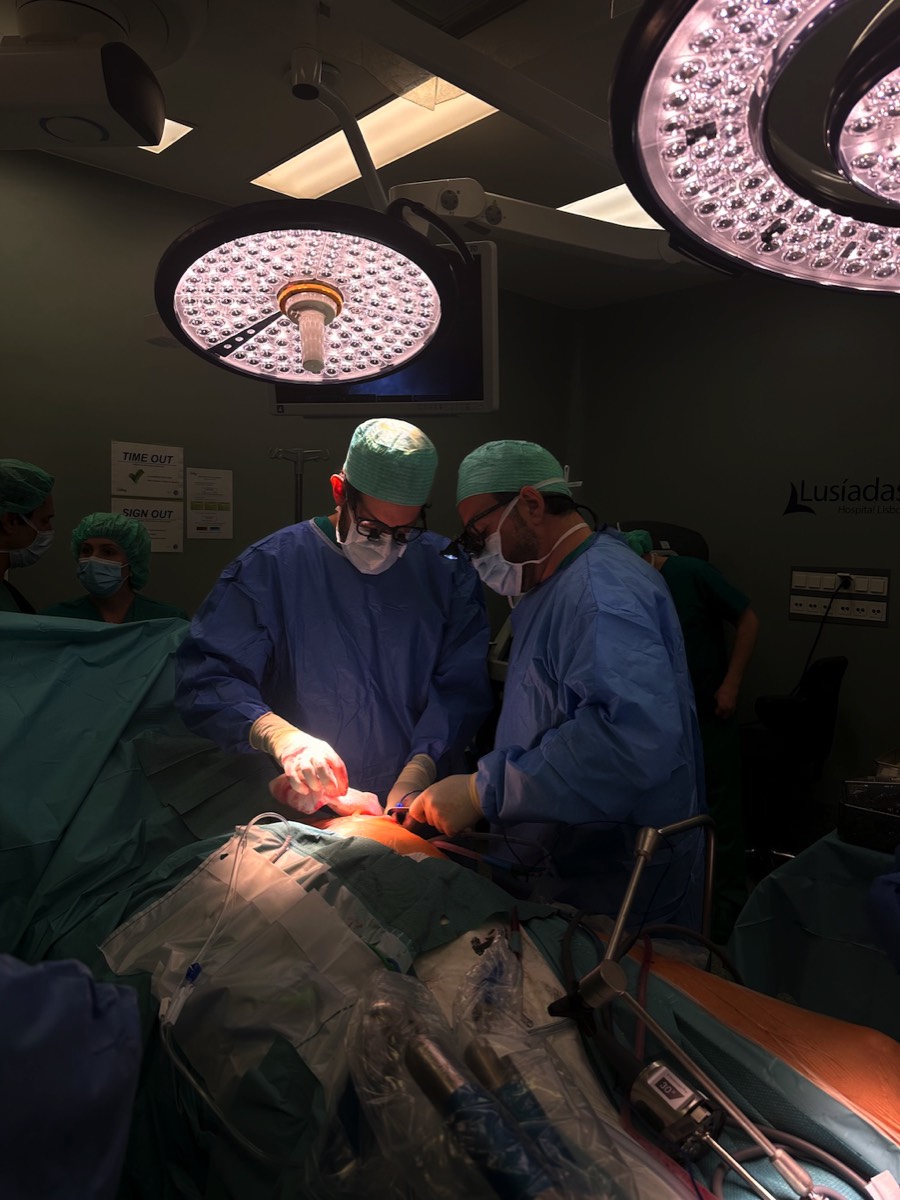
MIDCAB Coronary Surgery and Robotics
MIDCAP or MICS CABG are known as minimally invasive coronary surgery to treat reduced blood flow to the heart caused by obstruction of the coronary arteries.