UmiCS
Robotic Cardiac Surgery
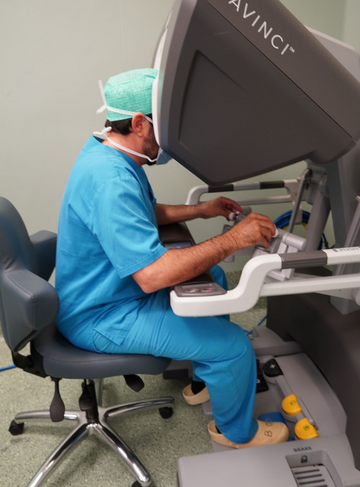
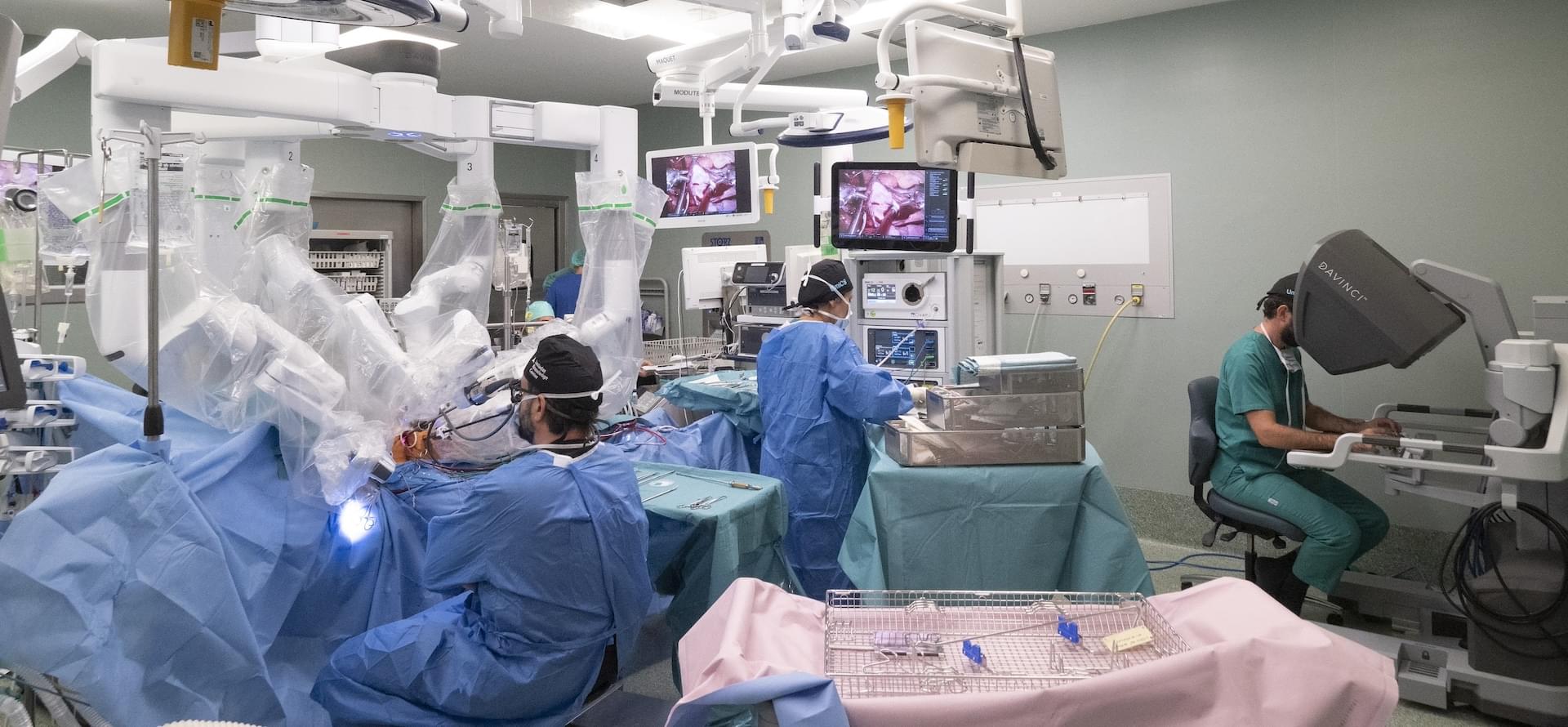
Robotic Cardiac Surgery is a minimally invasive technique that uses a surgical robot controlled by a surgeon to perform complex cardiac procedures.

Book an Appointment
For any clarification, you can contact our Customer Service at 911 501 808.
What is mitral valve and its disease?
The mitral valve is part of a dynamic system or functional unit, which includes the left atrium and the left ventricle which, by working in perfect synchrony, allow the valvular mechanism to function optimally, consisting of the opening and closing of the mitral valve leaflets. The contraction and relaxation of the left atrium and ventricle and the pattern of blood flow through the mitral valve orifice play a crucial role in valve function.
Mitral valve disease is a condition in which the heart valve located between the left atrium and the left ventricle does not work properly. This can lead to problems such as regurgitation (blood flowing back into the left atrium) or stenosis (narrowing of the valve).
Understanding the mechanisms that make a valve inefficient or incompetent, and seeing the physiological consequences of this valve dysfunction, makes it possible to indicate which procedure is best.
Symptoms
Symptoms include fatigue, shortness of breath and chest pain. Mitral valve disease can be caused by a variety of factors, including rheumatoid arthritis, rheumatic heart disease and degenerative disease.
Treatment can include medication, physical therapy and surgery. Mitral valve replacement surgery is an option for patients with advanced disease.
It is important that the disease is detected and treated as early as possible to avoid serious complications.
Types of mitral valve disease
Mitral valve disease can be divided into two main types: mitral stenosis and mitral insufficiency.
Mitral stenosis occurs when the valve becomes narrow and makes it difficult for blood to pass from the left atrium to the left ventricle. This can lead to increased pressure in the left atrium and an increased risk of thromboembolism.
Mitral insufficiency occurs when the valve fails to close completely, allowing blood to flow back into the left atrium. This can lead to an increase in the volume of the left atrium and an increased risk of heart failure.

Diagnosis
Diagnosing the disease usually involves tests such as echocardiography, chest X-rays and transesophageal echocardiography.
Treatments
The indications for mitral valve surgery have changed in line with technological developments and improvements in surgical techniques.
Treatment can include medication to control symptoms and reduce the risk of complications, such as anticoagulants to prevent thromboembolism.
At UMICS, treatments can include:
Robotic mitral valve surgery;
Percutaneous mitral prosthesis;
Mitraclip;
Mitral valve surgery
Find out more about the different procedures in the links below so that you can find out more about the possibilities for treating this pathology.
Prevention
Prevention includes controlling risk factors such as high blood pressure, diabetes and obesity. It is also important to maintain a healthy diet, exercise regularly and avoid the use of drugs and alcohol.
People with a family history of mitral valve disease should be monitored regularly to detect the disease as early as possible.
In addition, some preventative measures can be taken to avoid the progression of mitral valve disease. For example, patients with mitral stenosis can be advised to avoid activities that require physical exertion and excessive strain, as this can increase the pressure on the valve and worsen symptoms.
Patients with mitral insufficiency can be advised to avoid weight gain and to control their blood pressure to prevent an increase in the volume of the left atrium.
It is important to note that mitral valve disease is a chronic condition that requires continuous monitoring and treatment. Patients with mitral valve disease should be followed up regularly by a cardiologist to assess the progress of the disease and adjust treatment as necessary.
Procedures
Robotic mitral valve surgery
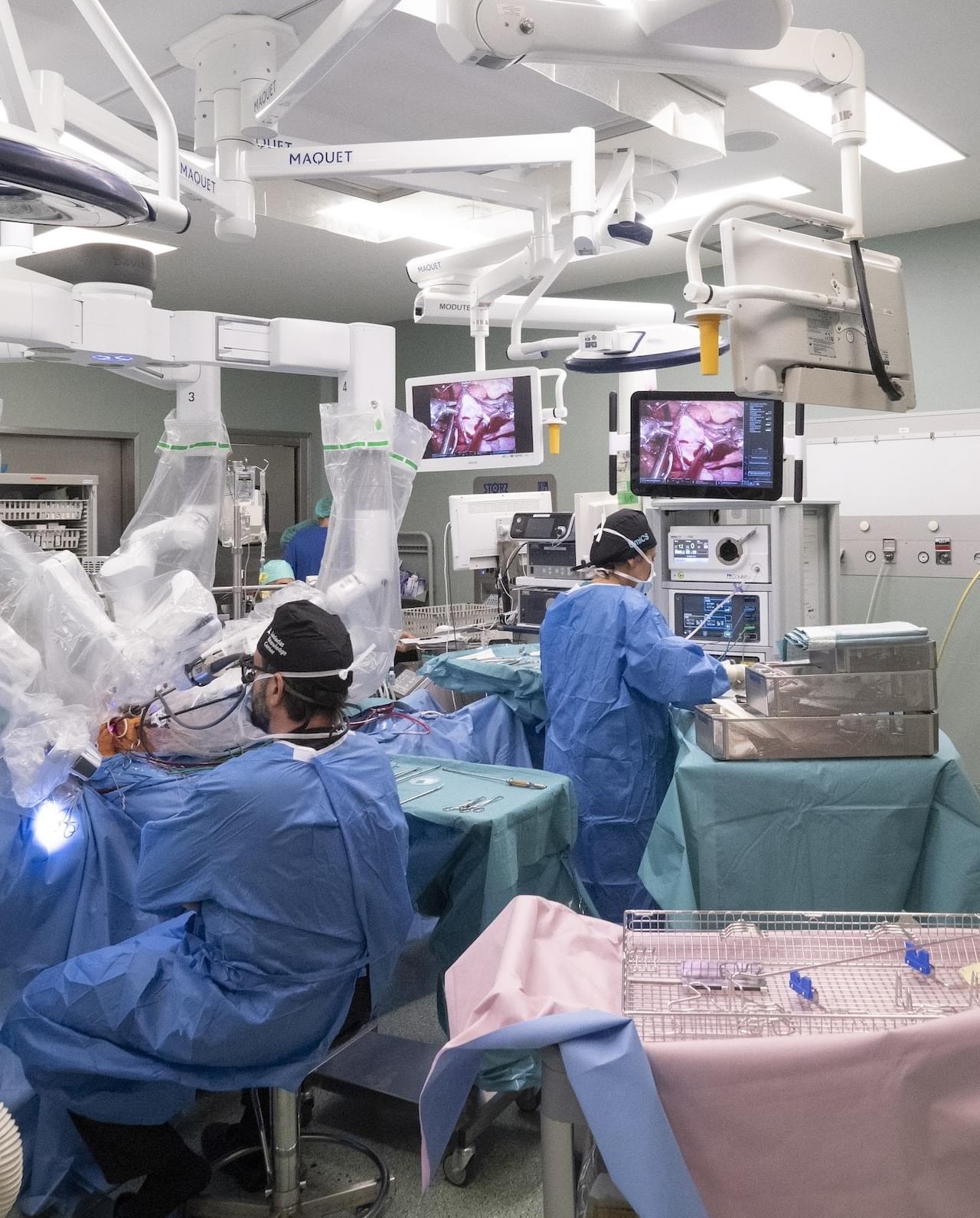
Mitral robotic surgery to repair the mitral valve with less invasiveness through smaller incisions and faster recovery.
Percutaneous Mitral Prosthesis
The Tendyne™ TMVR System is the first-in-class technology designed to eliminate mitral regurgitation (MR), offering selected patients with MR (≥ grade 3) a new option for mitral valve replacement.
Mitraclip
It is a non-surgical procedure that uses minimally invasive techniques to correct Mitral Valve Insufficiency, which is one of the main causes of sudden death. It is a safe option, with equally positive results to those obtained by conventional surgery and is indicated for patients who cannot undergo surgery and whose treatment is restricted to the use of medication, which alleviates the symptoms but has no effect on the cause of the disease.
Endoscopic Mitral Surgery
This is minimally invasive surgery to repair the mitral valve, performed through a small incision of 4 to 6 cm in the lateral wall of the right hemithorax, in the submammary skin line.