UmiCS
Robotic Cardiac Surgery with da Vinci 5
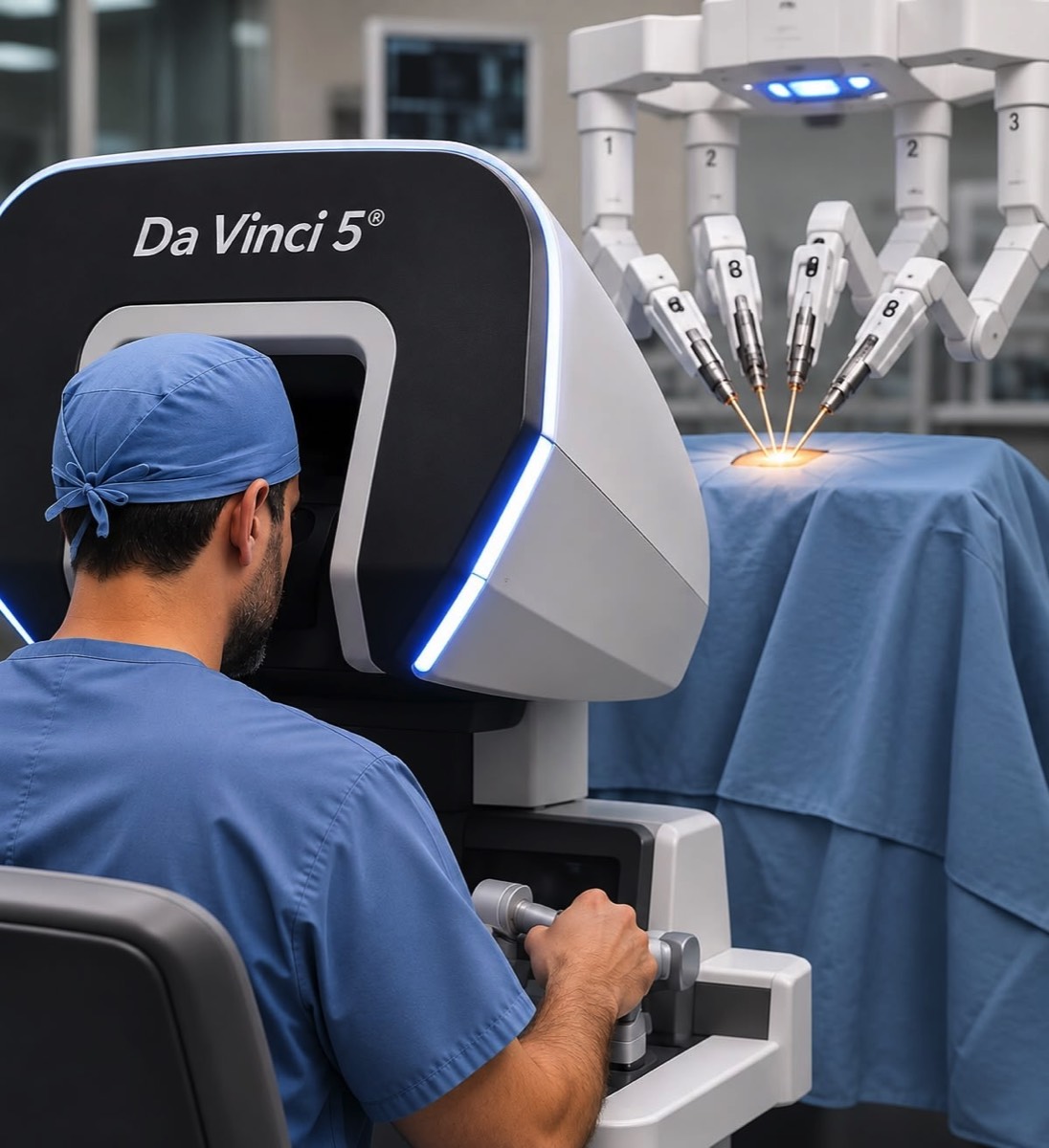
State-of-the-art technology for minimally invasive cardiac surgery. Discover the procedures, potential benefits, and treatment options.
UMICS - LESS IS BETTER
Book an Appointment
For any clarification, you can contact our Customer Service at 911 501 808.
WHAT IS ROBOTIC CARDIAC SURGERY WITH DA VINCI 5?
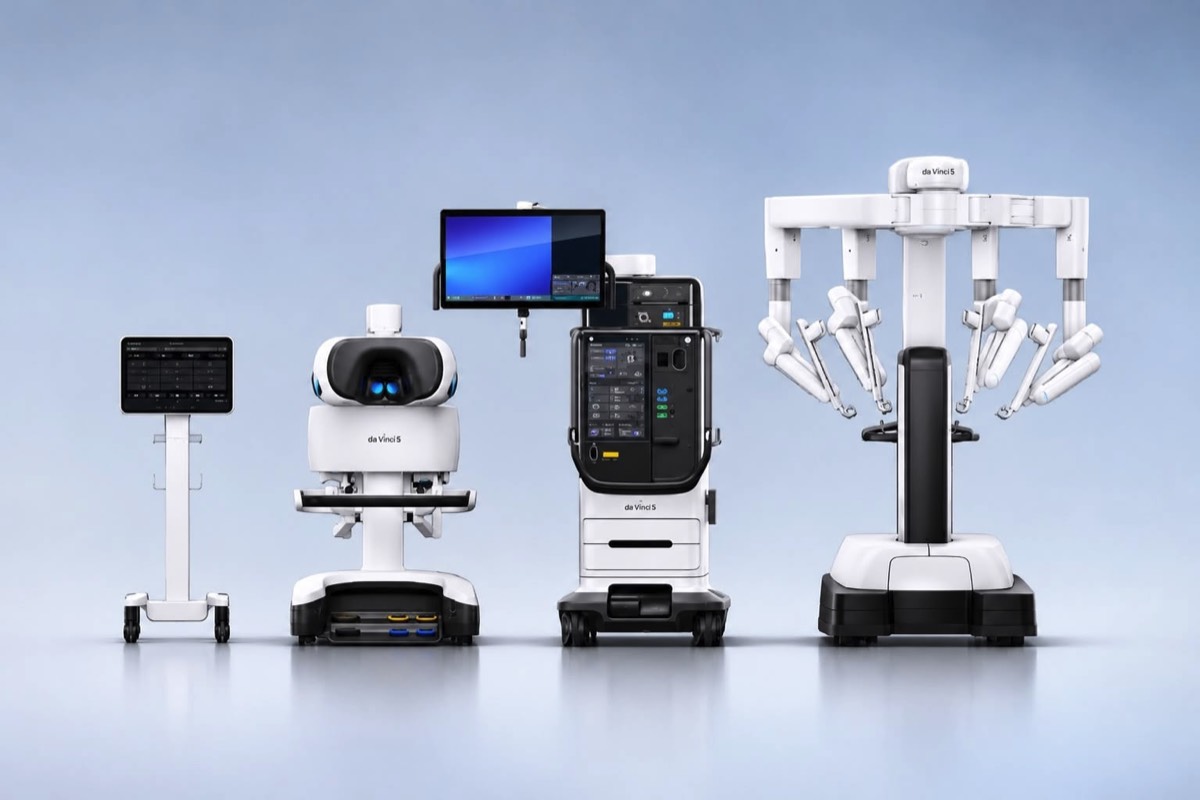
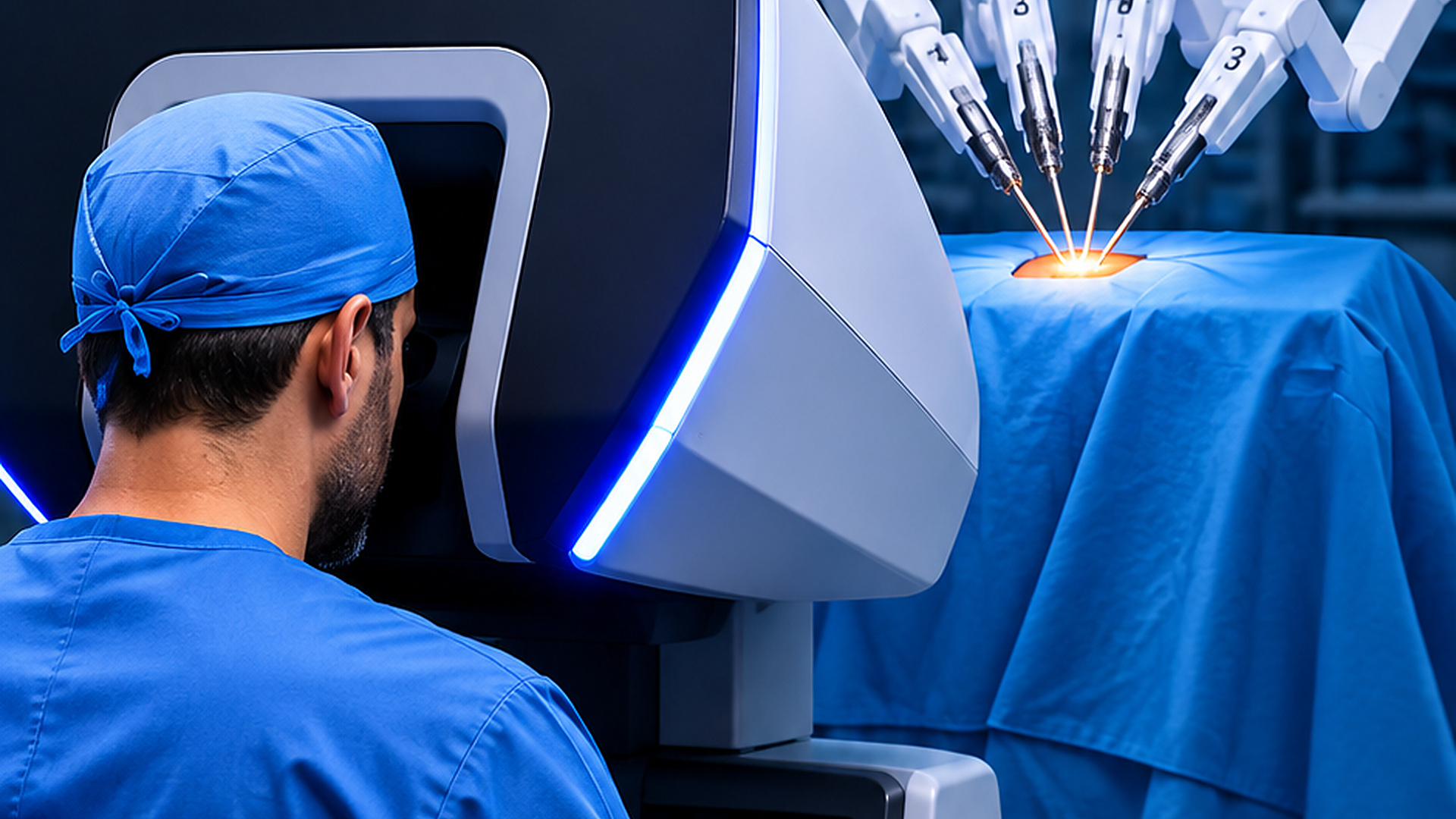
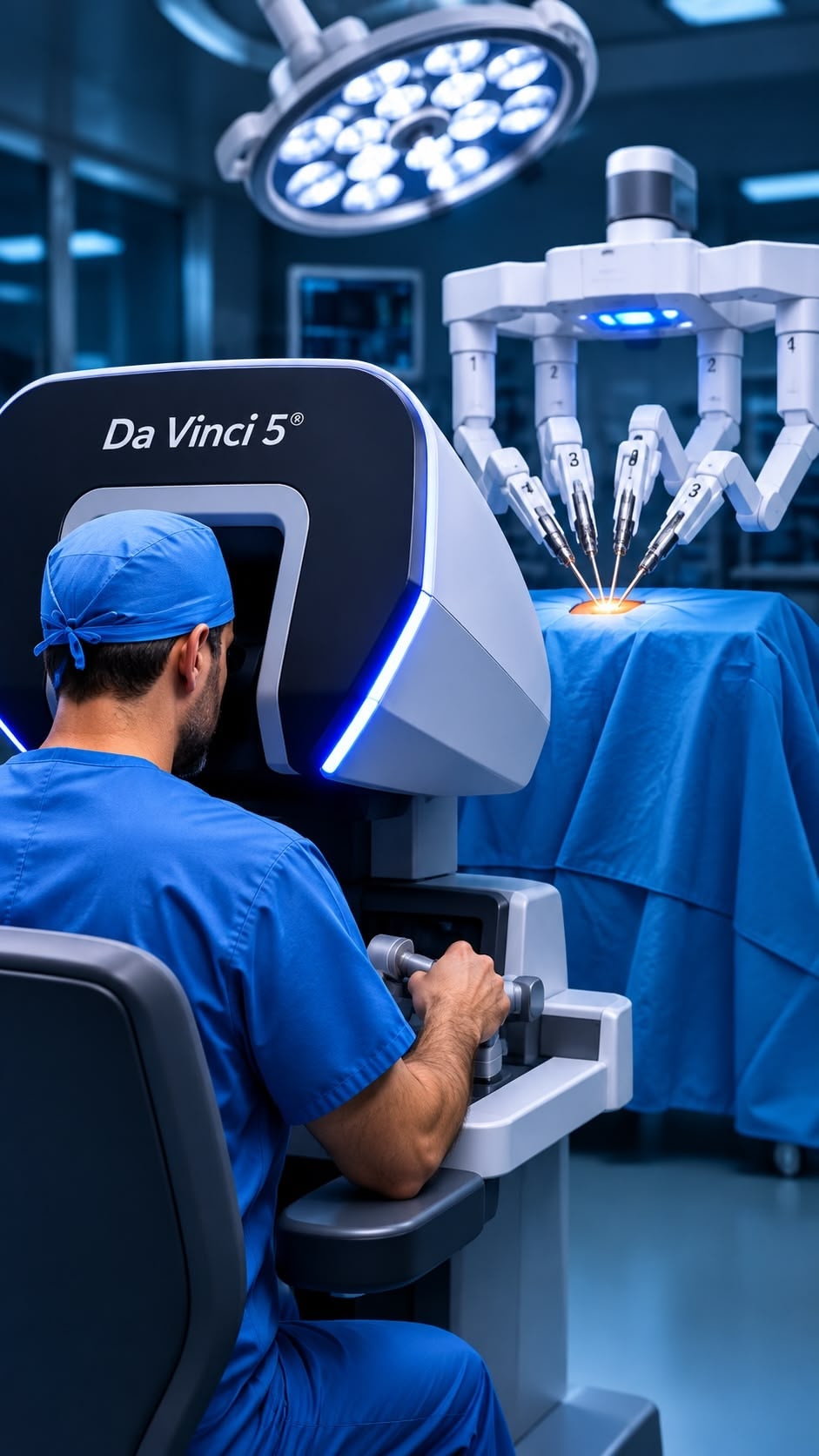
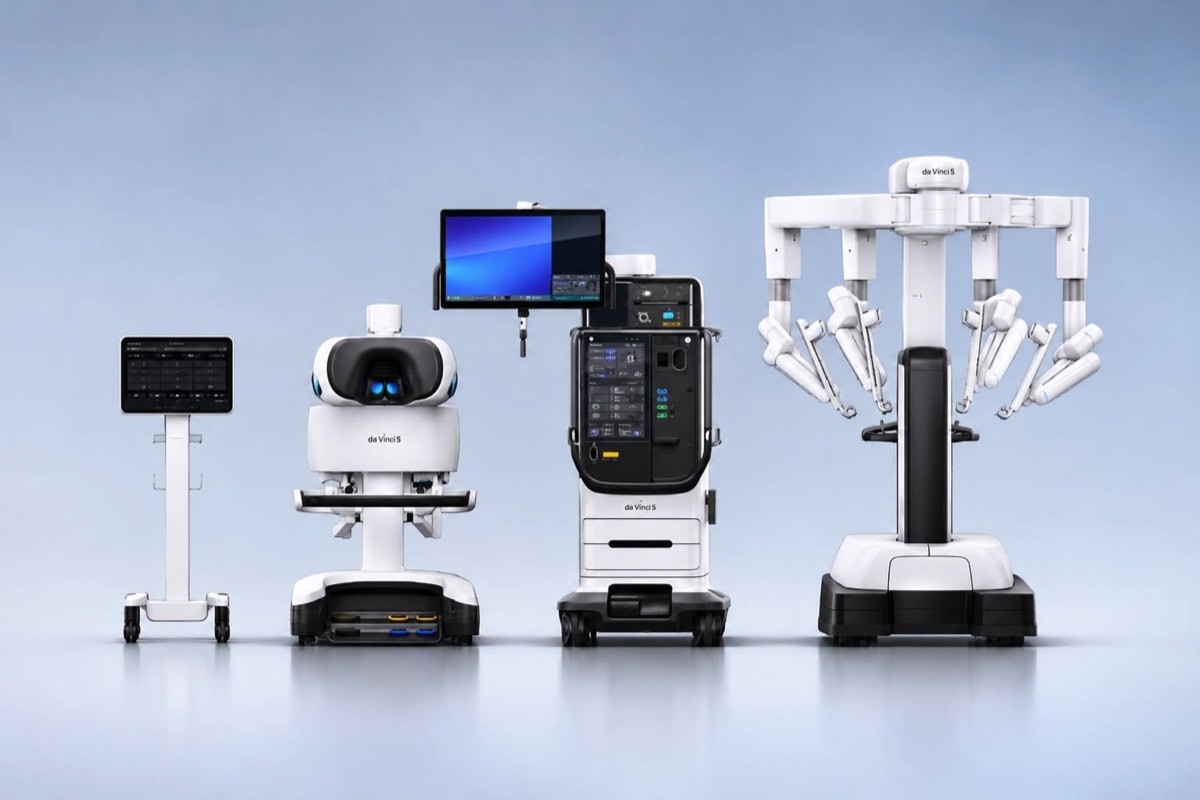
Robotic cardiac surgery with da Vinci 5 is a minimally invasive approach that allows certain cardiac procedures to be performed through small incisions in the chest, often avoiding the need to open the sternum. This state-of-the-art technology provides the surgeon with an enhanced, magnified three-dimensional view and highly precise articulated instruments, enabling controlled and delicate movements. The entire procedure is performed under the surgeon’s direct control, combining technological innovation with surgical expertise.
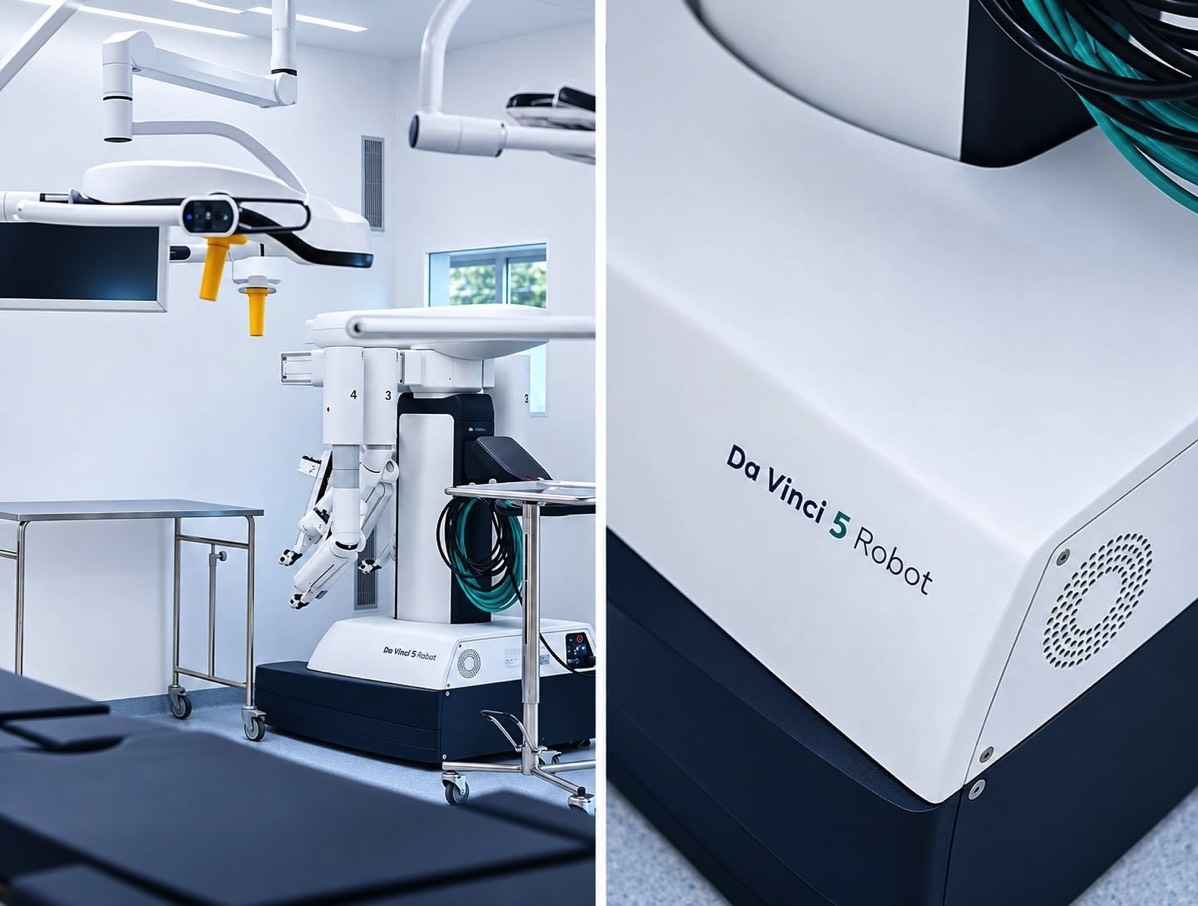
State-of-the-art technology. Surgical expertise. Patient-centered care.
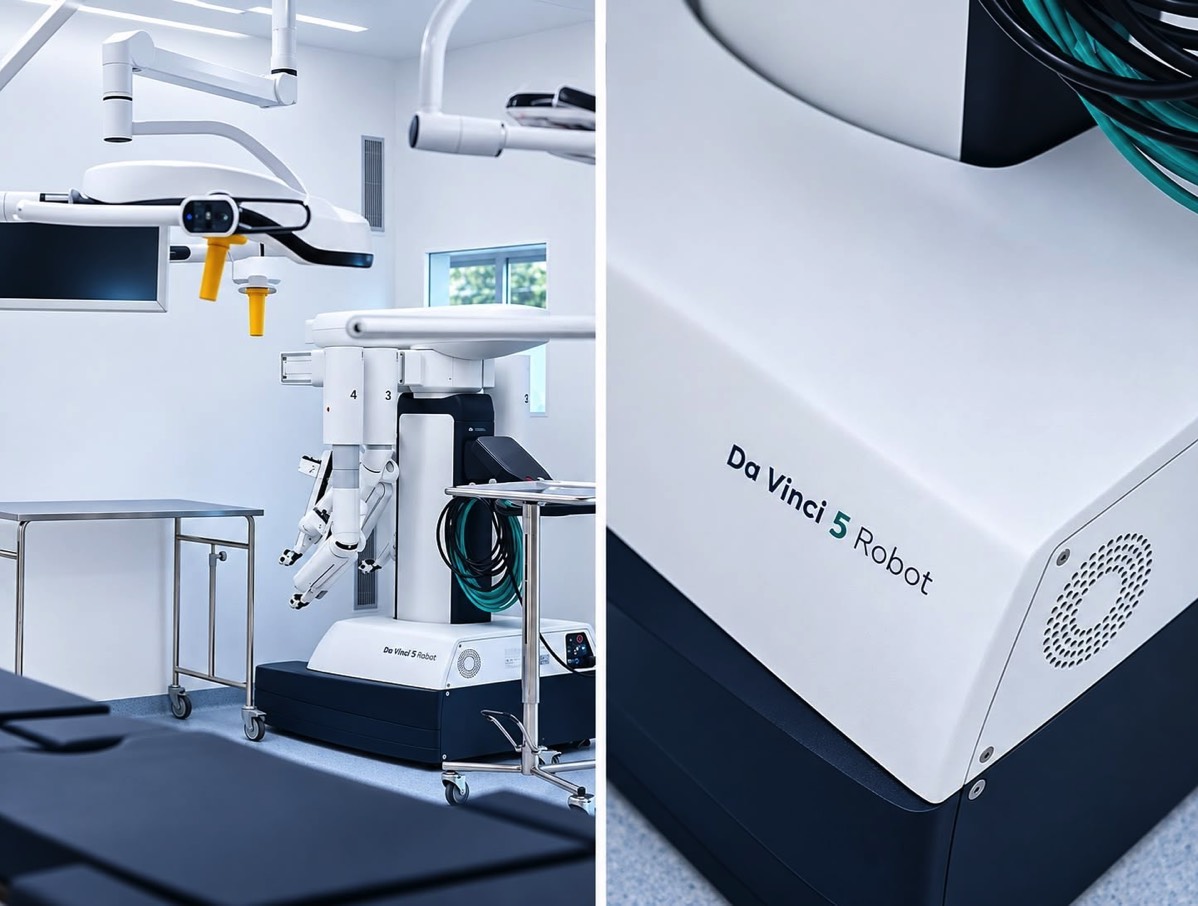
UMiCS is preparing to enter a new era in minimally invasive cardiac surgery with the introduction of da Vinci 5 (DV5), the latest generation of Intuitive’s multiport robotic platform.
This technology enables surgeons to perform certain cardiac procedures through small incisions, using magnified three-dimensional vision and articulated instruments. The robot does not operate autonomously: every movement is directly controlled by the surgeon.
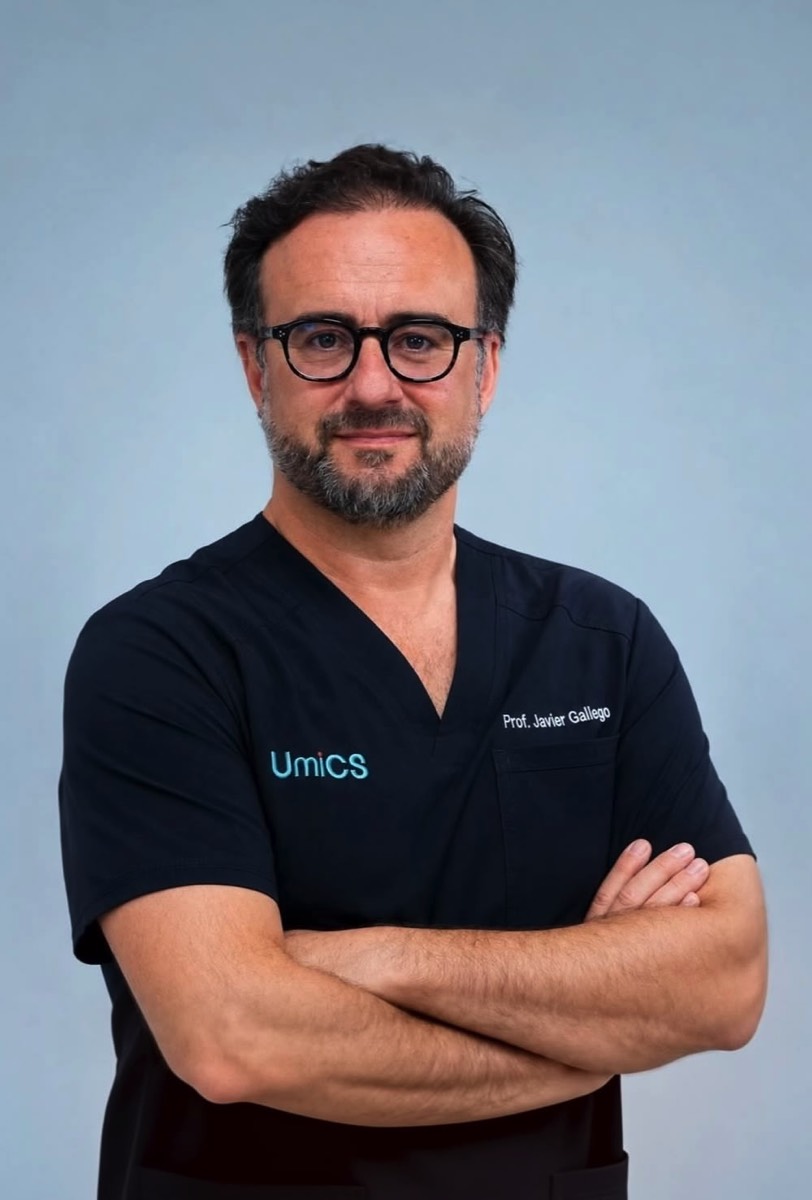
Under the leadership of Prof. Javier Gallego Poveda, the UMiCS team began performing minimally invasive cardiac surgery in 2014 and started developing its robotic surgery program four years ago.
This journey brings together clinical expertise, technological advancement, and continuous professional training.
What Makes da Vinci 5 Different?
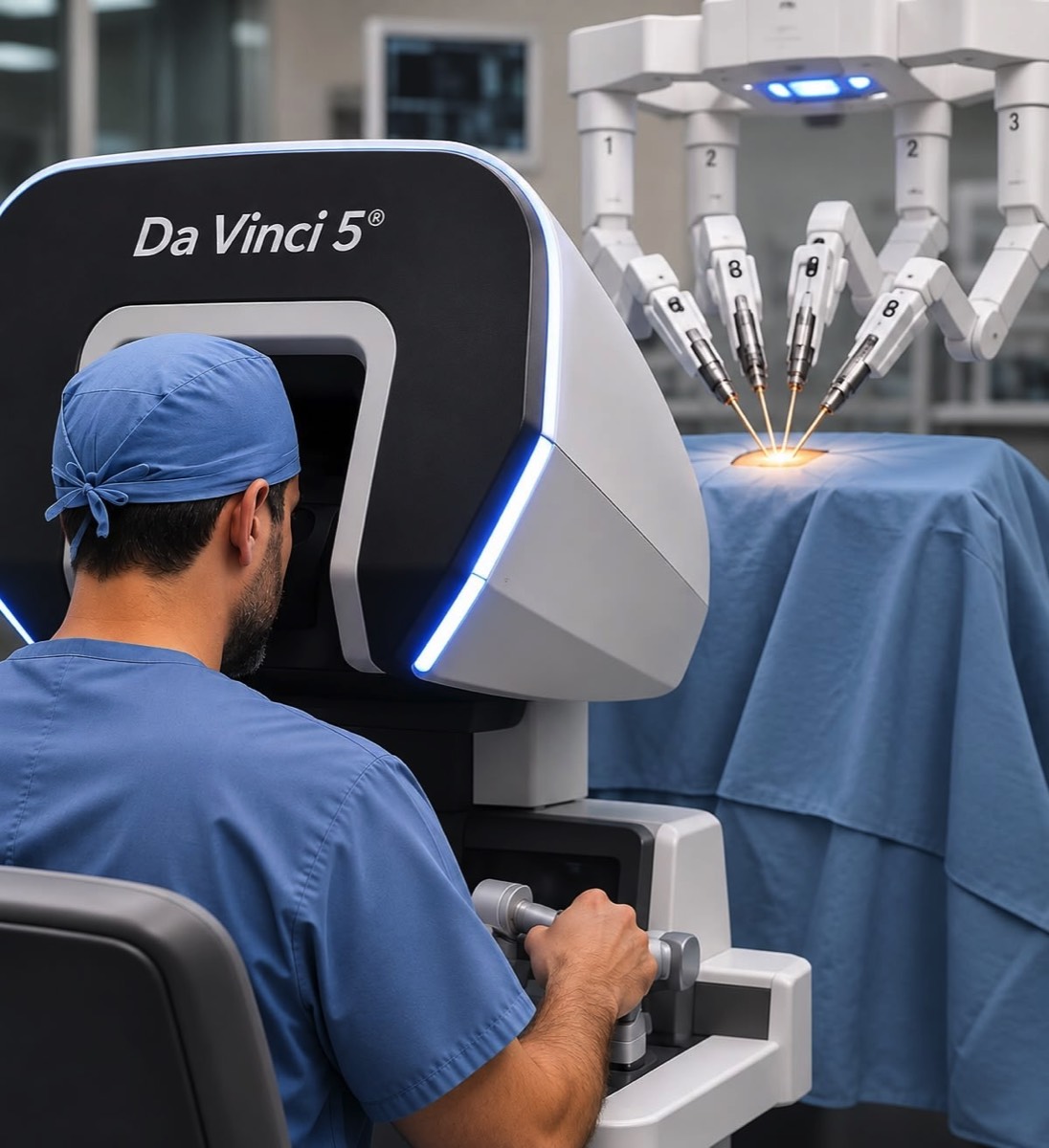
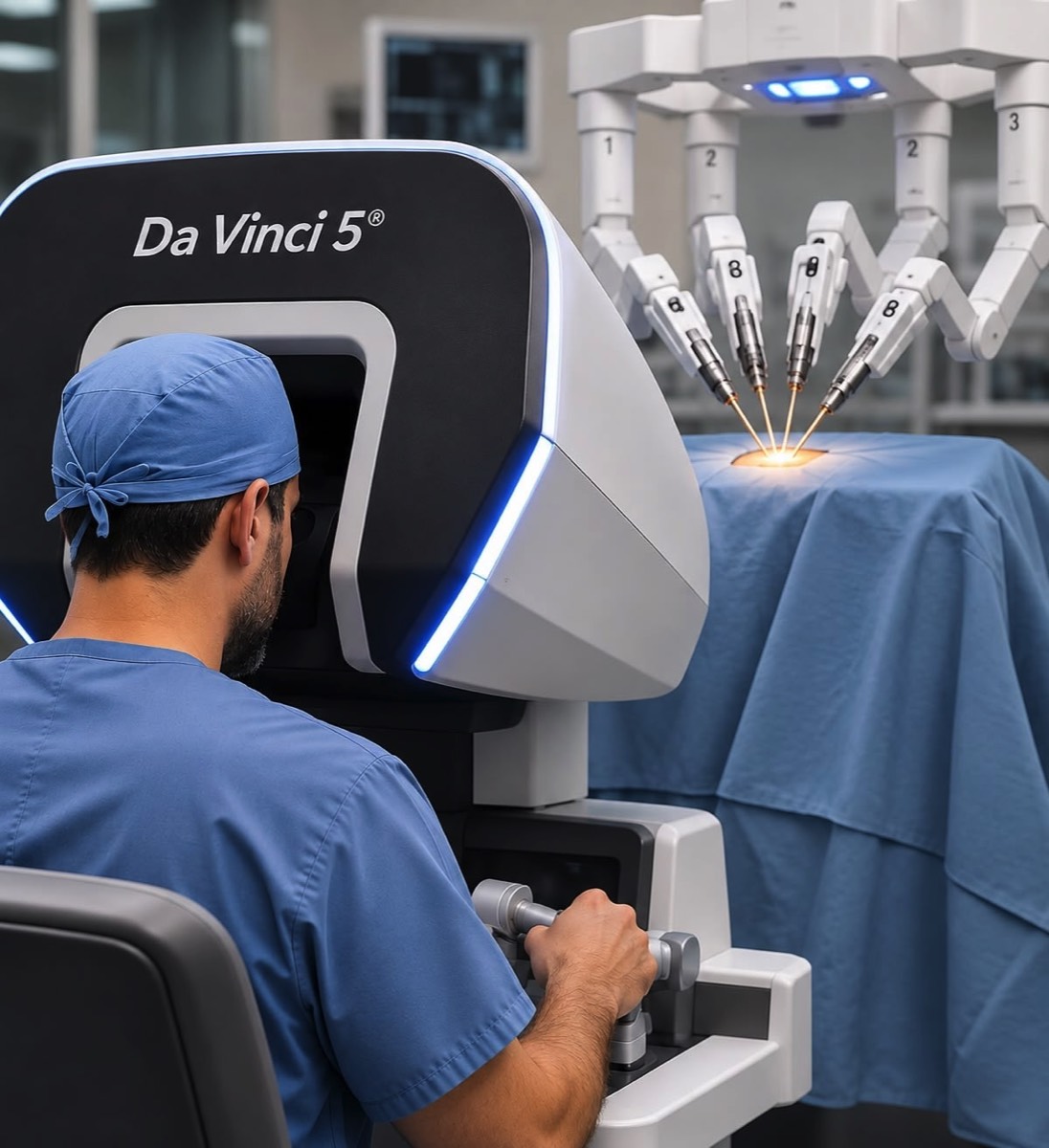
The da Vinci 5 is described by Intuitive as its most advanced and integrated robotic surgical system.
It incorporates more than 150 design innovations and approximately 10,000 times the processing power of the da Vinci Xi. This increased processing capacity supports digital capabilities and new surgical analytics tools, but does not, in itself, imply a clinical improvement of the same magnitude.
High-definition 3D vision: Magnified imaging, depth perception, and detailed visualization of delicate anatomical structures.
Precision and dexterity: Articulated instruments, refined control, and tremor filtration.
Force Feedback: With compatible instruments, the surgeon can feel and monitor the forces applied to tissues.
Ergonomics: A redesigned console to improve surgeon positioning and comfort.
Data and learning: Digital capabilities designed to support technical analysis, surgical training, and continuous improvement.
Applications in Cardiac Surgery
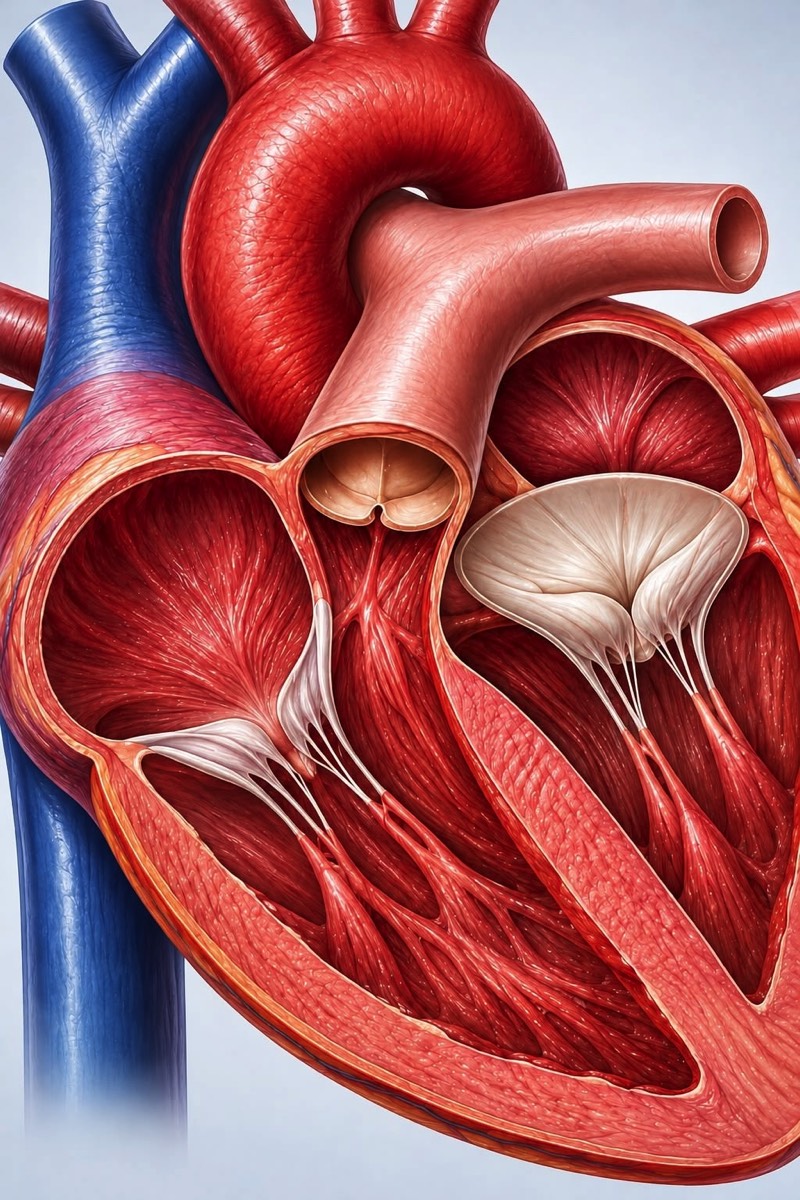
Robotic cardiac surgery can be used to treat a range of heart conditions in carefully selected patients.
The suitability and availability of each procedure depend on clinical assessment, the surgical team, the medical center, and applicable regulatory approvals.
Mitral Valve. Valve repair, including annuloplasty, leaflet correction, and neochordae implantation; valve replacement when repair is not appropriate.
Tricuspid Valve. Repair or replacement of the tricuspid valve in selected cases.
Atrial Septal Defects. Surgical closure of atrial septal defects when intervention is indicated.
Intracardiac Tumors. Surgical removal of certain intracardiac masses, such as atrial myxomas.
Coronary Artery Surgery. Robot-assisted internal mammary artery harvesting and its integration into selected minimally invasive or hybrid coronary bypass strategies.
Aortic Valve. Minimally invasive aortic valve surgery is an established option. Robotic aortic valve replacement is a specialized and emerging application, requiring careful patient selection and appropriate technical capabilities.
Potential Benefits for Patients
Avoiding Sternotomy in Many Cases: Access through small incisions between the ribs.
Functional Recovery: Preserving the sternum may facilitate early mobilization and a gradual return to daily activities.
Comfort and Cosmetic Outcomes: Smaller incisions and, in selected patients, less pain or shorter hospital stays.
Technical Precision: Advanced visualization and instrumentation designed to operate within confined spaces.
These benefits are not guaranteed in every case. Robotic surgery still carries the inherent risks of cardiac surgery and is not always superior to conventional or endoscopic surgical approaches.
UMiCS · CLINICAL EXCELLENCE
The UMiCS Experience
Since 2014, the team led by Prof. Javier Gallego Poveda has been developing minimally invasive cardiac surgery techniques. The team’s experience in robotic surgery, which began four years ago, forms part of this ongoing evolution, alongside the training and knowledge-sharing activities of the UMiCS Academy. The introduction of da Vinci 5 represents a continuation of this commitment to responsible innovation.
Schedule a Consultation
Find out whether minimally invasive or robotic cardiac surgery is suitable for your condition. The UMiCS team can review your medical tests and discuss the available treatment options.
UMICS - LESS IS BETTER
No. The surgeon controls the instruments from a console and makes all decisions during the procedure.
In many selected procedures, no. Access is achieved through small incisions in the chest.
Conversion to a sternotomy may be necessary for safety reasons.
Applications include mitral and tricuspid valve surgery, repair of atrial septal defects, removal of intracardiac tumors, and coronary artery procedures. Robotic aortic valve surgery is an emerging field.
Often, yes, depending on the anatomy and the underlying mechanism of the disease. The surgical team aims to preserve the natural valve whenever an effective and durable repair can be achieved.
Many heart valve procedures involve cardiopulmonary bypass and controlled cardiac arrest. Some coronary procedures can be performed while the heart is still beating.
The DV5 offers significant technological advancements, but universal clinical superiority cannot be claimed. Safety depends primarily on the suitability of the procedure, the surgical team’s experience, and the patient’s individual condition.
Not necessarily. Availability depends on compatible instruments, system configuration, and the features available at the medical center.
Recovery time varies depending on the procedure and the patient’s clinical condition. In selected patients, avoiding a sternotomy may facilitate recovery; recovery timelines are tailored to each individual.
No. Patient selection may require echocardiography, CT scans, and assessment of the peripheral arteries, chest anatomy, and other associated medical conditions.
Risks include bleeding, infection, arrhythmias, stroke, complications related to cardiopulmonary bypass, the need for further surgery, and possible conversion to open-heart surgery.
Both approaches use small incisions. In endoscopic surgery, instruments are manipulated directly by the surgeon, while in robotic surgery, they are controlled through a console. The most appropriate approach is determined on an individual basis.
A specialist consultation allows your medical tests to be reviewed, alternative treatment options to be discussed, and the specific benefits and risks for your individual case to be explained.
Duration
> 150 min
Anesthesia
> general
Hospitalization
> 4-6 days
Medical leave
> 3 weeks
Recovery
> 2-3 weeks
Inhibition of physical activity
> 1 month
Learn more
about this
procedure
Make an appointment to clarify any doubts or call us through our contacts