UmiCS
Robotic Cardiac Surgery
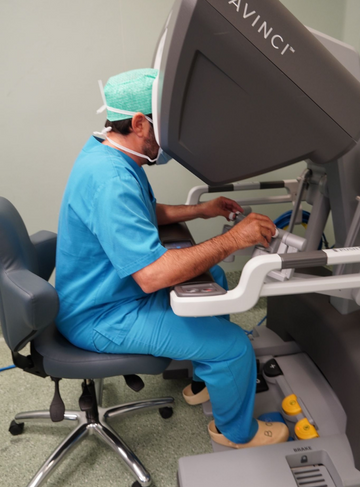
Robotic Cardiac Surgery is a minimally invasive technique that uses a surgical robot controlled by a surgeon to perform complex cardiac procedures.
Book an Appointment
For any clarification, you can contact our Customer Service at 911 501 808.

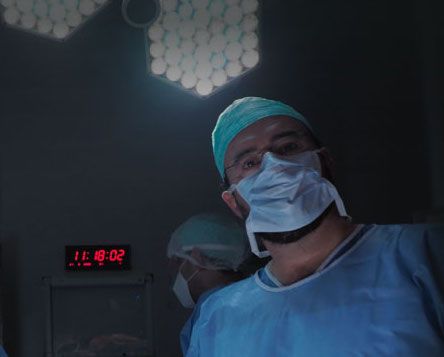
WHAT IS SYMPATHECTOMY
Video-assisted bilateral upper thoracic sympathectomy is the definitive treatment for hyperhidrosis. This procedure has been known for some time, but until a few years ago it wasn't possible to perform the surgery in a simple and minimally invasive way.
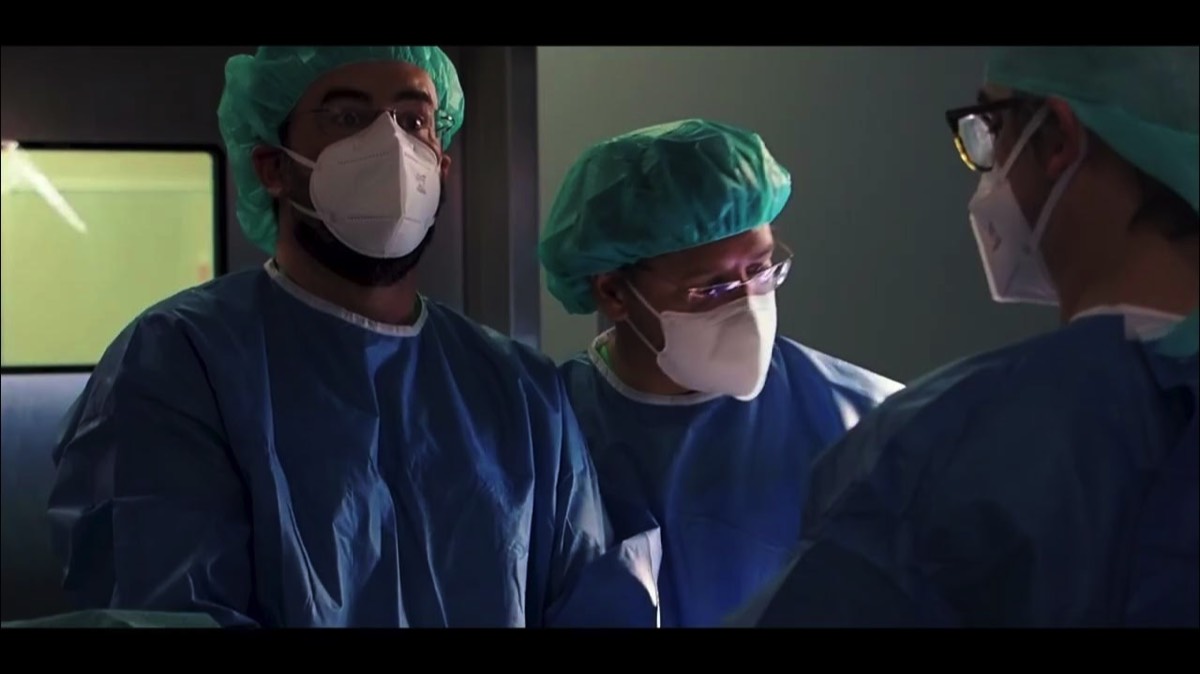

Description of the procedure
Sympathectomy via video-assisted thoracic surgery (VATS) has revolutionized the treatment of hyperhidrosis and has made it possible to interrupt sympathetic innervation in a selective and less invasive way, for sweating of the hands, armpits and feet, with a success rate of 99% in cases of the hands and armpits, and good results for the treatment of excessive sweating of the feet.
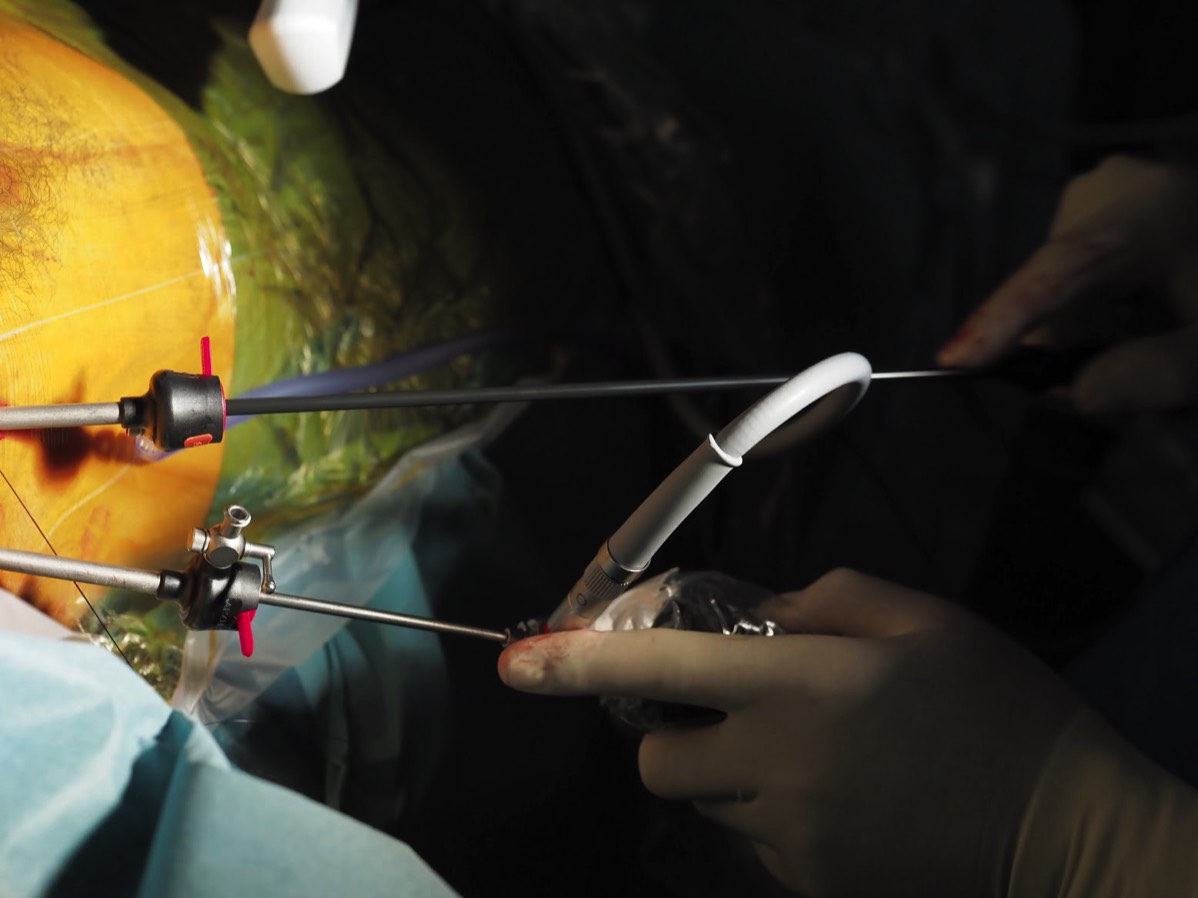
Thoracic sympathectomy is performed in the operating room under general anesthesia and lasts approximately 15 to 20 minutes. This surgical procedure consists of two small incisions under the armpits, one for placing a camera and the other for inserting surgical instruments. A reversible technique (Endoscopic Thoracic Sympathectomy by clamping, ETS-C) is then performed, with the application of titanium clips at T4, which immediately reduces sweating of the hands, armpits and feet. In cases of facial flushing, it is performed at T3 level. Finally, an intradermal suture is used to close the incisions, which has excellent aesthetic results.
Some patients may experience compensatory hyperhidrosis (CH), which is considered to be an increase in sweating on the back and abdomen. It is usually very well tolerated and is preferable to sweating of the hands and armpits. With technological advances starting in T3-T5, the rate of CH is less than 5%.
All types of surgery have risks inherent to the surgical procedure itself. However, the risk of post-operative complications is not very common. Bleeding or pneumothorax are the most common complications and, for this reason, some patients leave the operating room with a chest tube to monitor the first few hours after surgery, which is removed the following day.
Patients who undergo surgery in the morning can be discharged the same day. If they are hospitalized, it will only be for one night, and they will be discharged the next day before lunchtime if there are no complications. As far as work activity is concerned, after two days the patient can return to work. These surgeries are usually carried out over the weekend so that patients can return to work as soon as possible.
Duration
> 15-20 min
Anesthesia
> Sedation
Hospitalization
> Outpatient
Medical leave
> 2 days
Recovery
> 2 days
Inhibition of physical activity
> 1 week
Learn more
about this
procedure
Make an appointment to clarify any doubts or call us through our contacts