UmiCS
Robotic Cardiac Surgery
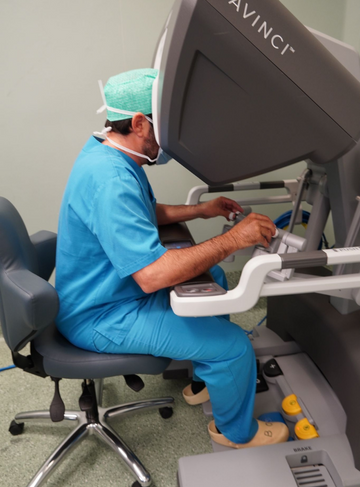
Robotic Cardiac Surgery is a minimally invasive technique that uses a surgical robot controlled by a surgeon to perform complex cardiac procedures.
Book an Appointment
For any clarification, you can contact our Customer Service at 911 501 808.
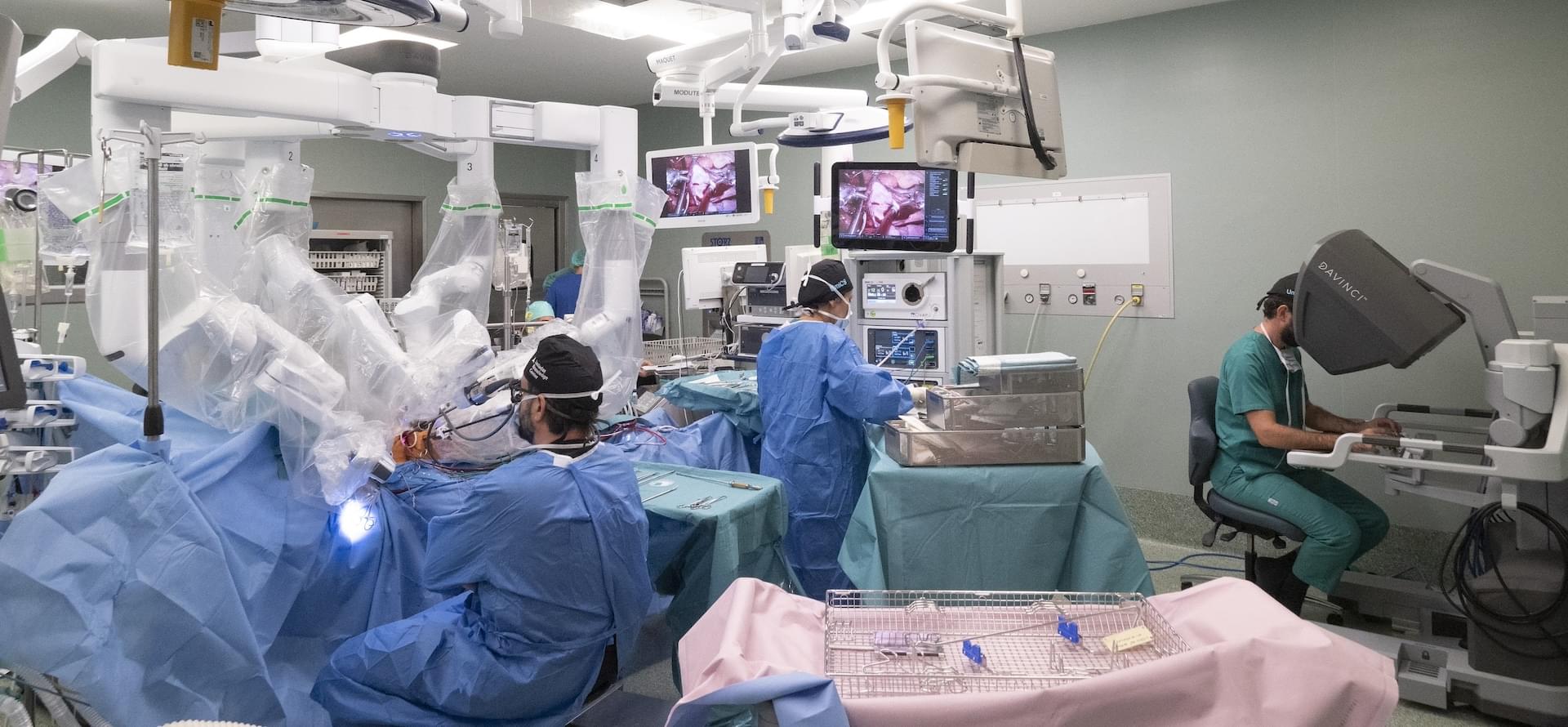
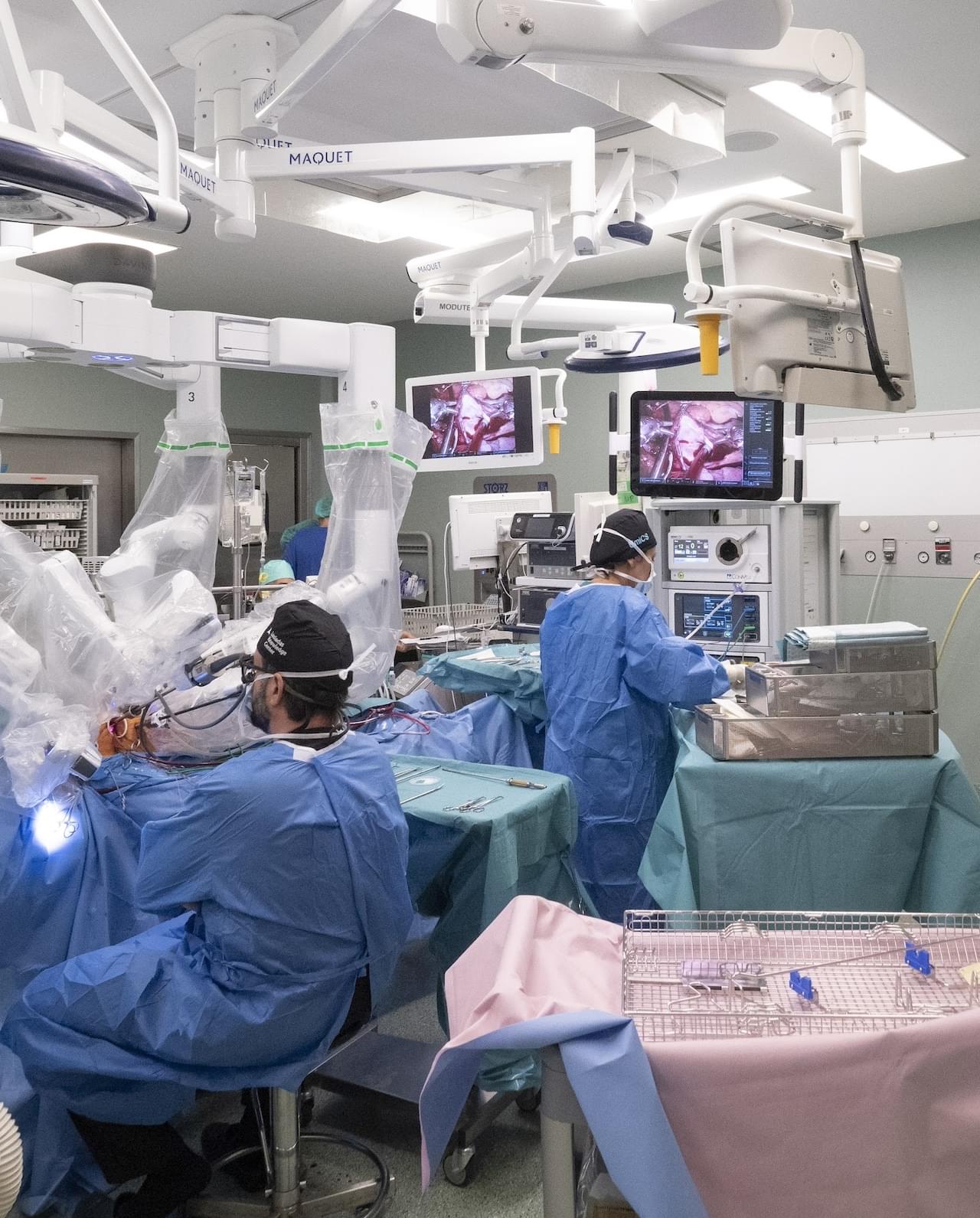
WHAT IS MITRAL VALVE SURGERY
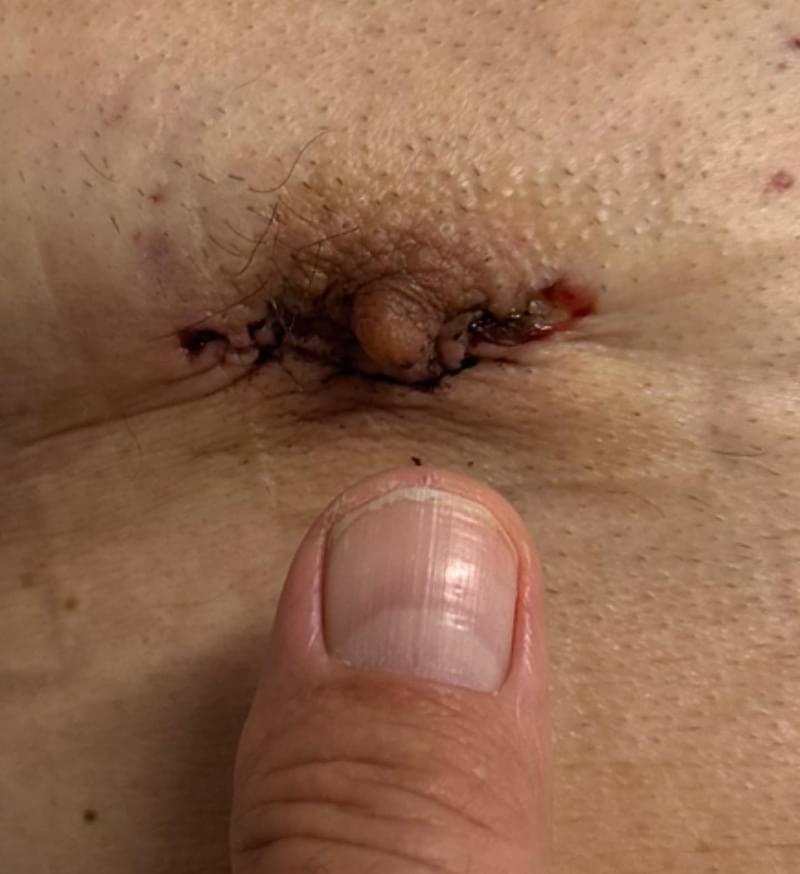
This is minimally invasive surgery to repair the mitral valve, performed through a small incision of 4 to 6 cm in the lateral wall of the right hemithorax, in the submammary skin line.
Description of the procedure
Mitral Valve Surgery - What it is and how it works
Mitral valve surgery is a medical procedure that aims to repair or replace the heart's mitral valve, which is located between the left atrium and the left ventricle. The mitral valve is responsible for ensuring adequate blood flow from the left atrium to the left ventricle and therefore plays a fundamental role in heart function.
Mitral valve surgery can be performed in two ways: traditional open-heart surgery or minimally invasive surgery. Minimally invasive surgery to repair or replace the mitral valve is performed through a small 4 to 6 cm incision in the lateral wall of the right hemothorax, in the submammary skin line. This minimally invasive surgery uses specific instruments and is a safe procedure in which the most advanced mitral valve repair techniques are applied, with a repair rate of 85% of cases.
Advantages of minimally invasive surgery
The advantage of minimally invasive surgery is that patients recover more quickly, feel less pain in the post-operative period and can return to their daily and professional activities sooner. In addition, the skin incision is closed with an intradermal suture with excellent aesthetic results.
It is important to note that minimally invasive mitral valve surgery is a safe and effective procedure, with a high success rate (85%) in repairing the mitral valve. In addition, this technique offers benefits for patients, such as faster recovery and less pain in the post-operative period, which allows an early return to daily and professional activities.
Consultation
For more information, you can schedule an appointment with Dr. Javier Gallego in Lisbon, Algarve, Azores or by video consultation. With extensive experience and a pioneer in minimally invasive cardiac surgery, Dr. Javier Gallego is available for a full assessment and to propose the most appropriate procedure for your case, with a view to finding the best approach to treating your mitral valve. If you have an indication for surgery, you can also have it carried out in Lisbon, the Algarve or the Azores.
Don't hesitate to contact the UMICS team to make an appointment and find out more about minimally invasive mitral valve surgery and how it can help you lead a healthier and more active life.
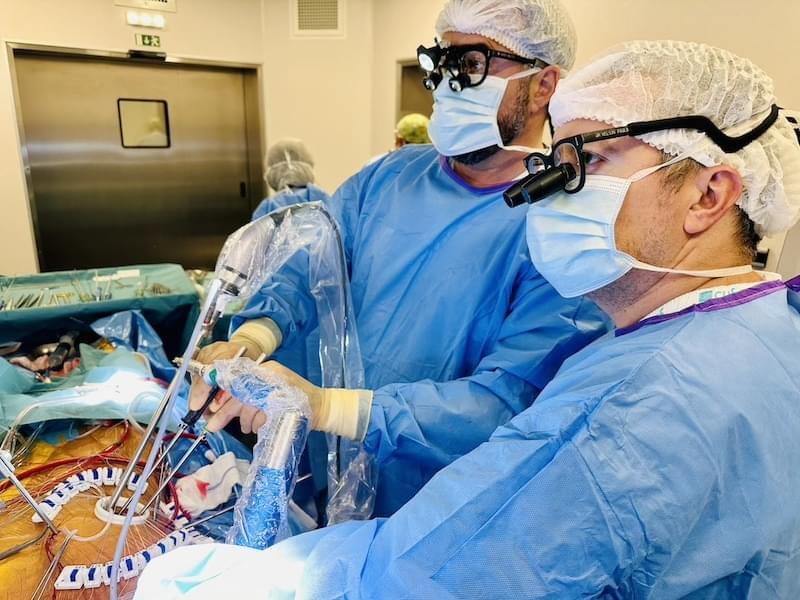
Mitral valve surgery, like any surgical procedure, has risks and complications. Some of the possible complications include infection, bleeding, kidney failure, embolism and stroke. It is important that the cardiothoracic surgeon, cardiac surgeon or cardiovascular surgeon informs the patient about these risks and closely monitors the patient's progress after surgery.
The duration of mitral valve replacement surgery is usually 150 minutes. Patients are discharged after 4 to 6 days in hospital.
They are expected to return to work after 3 weeks of rest. Moderate physical activity, on the other hand, can take place one month after the surgery, in a regular situation and without any extraordinary occurrences.
Duration
> 150 min
Anesthesia
> general
Hospitalization
> 4-6 days
Medical leave
> 3 weeks
Recovery
> 2-3 weeks
Inhibition of physical activity
> 1 month
Learn more
about this
procedure
Make an appointment to clarify any doubts or call us through our contacts